Visiting a Lodge Outside the United States
Recognition, regularity, and the practical steps: how to check whether a foreign Grand Lodge is in amity with yours, who to write to, and what will be different when you get there.
Visiting a Lodge overseas is one of the best things Freemasonry offers, and it takes more preparation than visiting the next county. Not because anyone is unwelcoming, but because recognition is not automatic and turning up unannounced does not work abroad.
Do these steps in order and it is straightforward.
Step 1: Check recognition before anything else
Your Grand Lodge maintains a list of foreign Grand Lodges it recognizes, is “in amity” with. You may visit Lodges under a recognized Grand Lodge. You may not visit ones under an unrecognized body, and doing so knowingly is a Masonic offense in most jurisdictions.
Contact your own Grand Secretary’s office and ask. This is a routine request; they answer it constantly. Ask specifically: is [Grand Lodge X] recognized by us, and which Grand Lodge covers [city]?
Do not take the answer from a forum, a map, or this page. Recognition changes, and it is exactly the kind of fact that is stale on the internet.
Step 2: Understand why some countries have several
This is the part that surprises Americans, because in most US states there is one mainstream Grand Lodge and that is that.
In much of continental Europe and Latin America, several Grand Lodges operate in the same country, and they are not equivalent. The broad split is between:
- Regular Grand Lodges, which require a belief in a Supreme Being, work with the Volume of the Sacred Law open on the altar, initiate men only, and bar politics and religion from Lodge discussion. These are the ones in amity with the United Grand Lodge of England and with mainstream American Grand Lodges.
- Liberal / Continental obediences, which may not require a profession of belief, may admit women, and may permit political discussion. The Grand Orient de France is the best-known example. These bodies are entirely legitimate organizations with long histories; they are simply not in amity with regular Anglo-American Freemasonry, and a regular Mason may not visit them.
Neither label is an insult. It is a statement about which Lodges you may sit in.
France, Italy, Belgium, Brazil, Mexico, and Portugal are all countries where you must be specific about which Grand Lodge a given Lodge works under. Never assume from the city.
Step 3: Write ahead. Weeks ahead.
Once you know which Grand Lodge covers your destination, go to its website, find a Lodge in the city, and email the Secretary. Include:
- Your full name
- Your Lodge name, number, and town
- Your Grand Lodge
- The dates you will be there
- A scan or photo of your current dues card
Many Grand Lodges prefer or require the request to go Grand Secretary to Grand Secretary: your Grand Lodge writes a letter of introduction to theirs. Ask your own office whether that is needed for the country in question. Where it is, it takes weeks, so start early.
Some jurisdictions will issue you a formal letter of recommendation or an introduction certificate to carry. Carry it.
Step 4: Ask the practical questions in that same email
- What is the dress code? Overseas this is more likely to be black tie or a dark suit with white gloves than in the US, and getting it wrong is more conspicuous. Our guide to what to wear to Lodge covers the usual choices; ask your host about local expectations.
- What language is the work in? Many capitals have Lodges working in English specifically to receive visitors: London, Paris, Rome, Amsterdam, Tokyo, Buenos Aires all do. Ask if there is one.
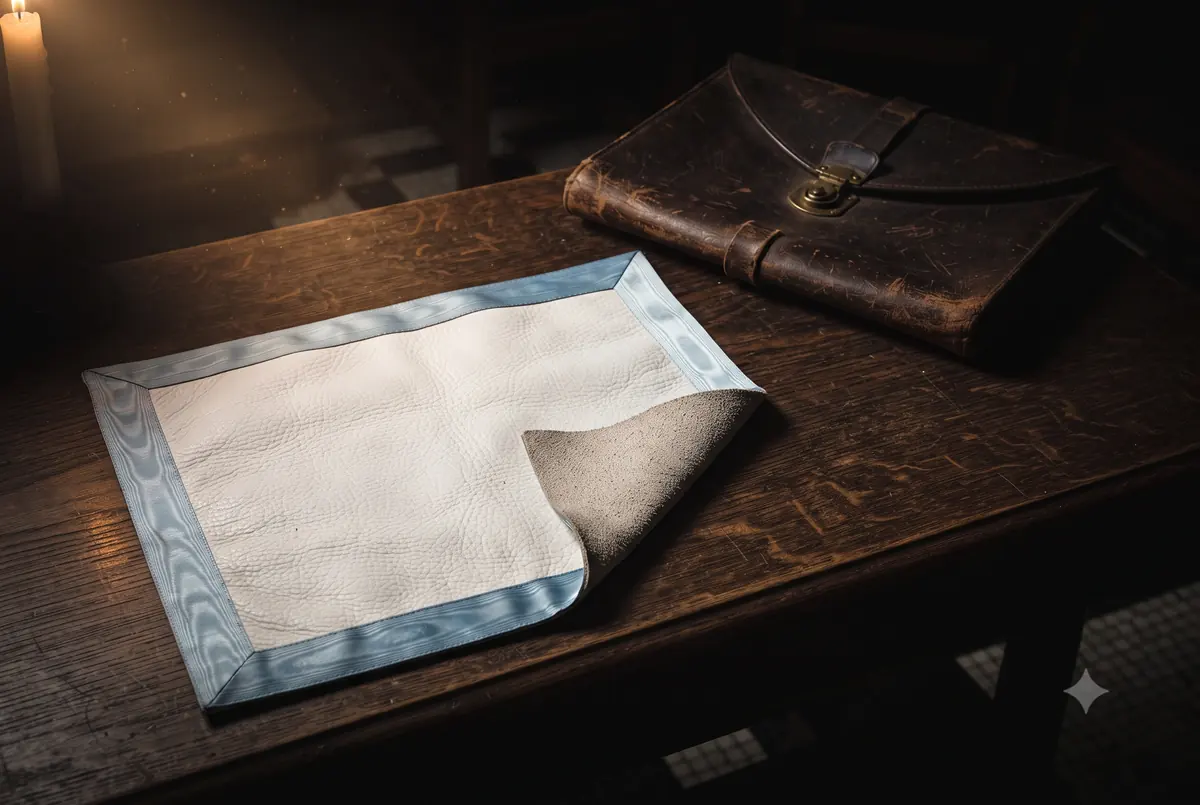
- Should I bring my own apron? Usually yes, and often “your own regalia” is expected rather than merely allowed. English-constitution Lodges will expect an apron of their own pattern, so ask whether they will lend you one.
- Is there a festive board, and is there a charge? In England and much of the Commonwealth the meal after the meeting is a formal, ticketed event, the festive board, with toasts, a fixed order, and a real cost. Offer to pay. Insist.
What will be different
Dress and formality. English-constitution Lodges run to morning dress or black tie for installations, and the ceremony is precise. Continental and Latin American Lodges may be more relaxed or considerably more so, depending entirely on the country.
The ritual. Not just wording: the floor work, the officers’ titles, the layout of the room. Emulation, Taylor’s, Bristol, Scottish, Irish, and the various American workings differ substantially. In an English-style Lodge you will meet an Inner Guard, a Director of Ceremonies and an Almoner, none of which most American Lodges have. Watch and follow. Do not attempt to participate unless invited.
Toasts. In the Commonwealth tradition the festive board has a fixed sequence of toasts, sometimes with fire, and there is often a Tyler’s Toast to absent Brethren at the close. Follow the man next to you.
Charity collection. A collection during or after the meeting is standard in many jurisdictions. Have local cash.
The examination still applies, and it is harder across a ritual gap. Bring the dues card, bring the ID, bring the letter, and be candid about what your work does and does not include.
What to pack
A dark suit that survives a suitcase. White gloves. Your apron if you own one and the Lodge wants it; see the apron collection for examples of the different styles. Your current dues card: check the expiry date before you fly, because a card that lapses mid-trip is a genuine problem. A small gift from your own Lodge (a coin, a pin, a banner) is never wrong and is often expected.
And when you get home
Write to the Lodge. Tell your own Lodge about it: visiting reports are a staple of Lodge meetings for a reason, and yours will want to hear it.
Related: visiting another Lodge for the domestic version, which is the same courtesies with less paperwork.
The standing caveat
Recognition is jurisdiction-specific, it changes, and it is the one thing on this page you must verify with your own Grand Lodge rather than trusting any website. Everything else here is preparation advice; that part is a rule.