How to Join a Masonic Lodge
The petition, the investigation committee, the ballot, and the three degrees, what the process actually looks like, how long it takes, and what it costs.
Nobody is going to invite you. That is the one thing everybody gets wrong.
Freemasonry does not recruit. A Mason may tell you he is one, may answer any question you ask, and may hand you a petition the second you ask for one, but he is not permitted to solicit you. The initiative has to be yours. 2 B 1 ASK 1 is on the bumper stickers because it is literally the procedure.
Here is the rest of it.
Do you qualify?
The requirements below describe the usual pattern in mainstream, recognized US Grand Lodges. The exact rule belongs to the Grand Lodge where you live:
- Be a man and meet the minimum age in your jurisdiction, commonly 18 or 21. Pennsylvania’s current published requirement is 18.
- Believe in a Supreme Being. How that requirement is stated and discussed is governed locally; ask the Lodge rather than relying on a general guide.
- Be of good moral character. Applications may ask about criminal history, and some Grand Lodges require a background check. A past conviction is evaluated under local rules, not one universal automatic rule.
- Come of your own free will, not because a relative pushed you.
You do not have to be religious in any conventional sense, wealthy, well-connected, or related to a Mason. Legacy counts for nothing procedurally.
Step 1: Find a Lodge
Go to your Grand Lodge’s website: every US state has one, and most list their Lodges with where and when they meet. Becoming a Mason, state by state has every US Grand Lodge with its official site, its Lodge locator, and its minimum age where it publishes one. Find the Lodges near you and pick one to visit.
Most Lodges hold a public dinner, an open house, or a pancake breakfast. Go to one. Or simply email the Secretary (the address is on the Lodge page) and say you are interested in learning more. That email is the single most effective thing you can do, and Secretaries get them constantly.
Visit more than one if you can. Lodges have wildly different personalities. Some are 30 men over 70 who have known each other for decades; some are 25 guys in their thirties doing a research paper every month. Both are real Freemasonry. You will be there for years, so pick the room you actually want to sit in.
Step 2: The petition
When you ask, you will be given a petition: a form asking your name, address, occupation, and background. It may also ask about criminal history or authorize a background check, depending on the jurisdiction.
It needs signatures from two current members, a recommender and a seconder, who are vouching that they know you and believe you are fit. If you do not know two Masons yet, this is not a barrier; visit the Lodge a few times and you will. That is what the visits are for on their side too.
You will submit the petition with a fee, which varies enormously by jurisdiction, often somewhere between $100 and $500, sometimes covering the degrees and the first year’s dues, sometimes not. Ask exactly what it covers before you write the check.
Step 3: The investigation committee
The Lodge appoints two or three members to interview you. They will come to your home, or meet you somewhere, and they will want to meet your wife or partner if you have one.
This is not an interrogation and there is nothing to prepare. They are checking three things: that you are who you say you are, that you understand what you are joining, and that your family is not going to resent the time it takes. That last one is real: Masonry eats evenings.
Expect to be asked why you want to join. “I want to be a better man and I want to be part of something” is a fine answer. So is “my grandfather was one and I never got to ask him about it.” Honesty lands better than polish.
Step 4: The ballot
The Lodge votes, in secret, using a box of white balls and black cubes. It has to be unanimous, or near it, depending on the jurisdiction. A single black cube can reject a petition, and no reason is ever given or asked for.
This sounds brutal, and occasionally it is. The reasoning is that a Lodge is a small room of men who have to trust each other completely, and any one member’s genuine objection is enough. Rejections are rare. If it happens, you can usually petition again after a waiting period, sometimes at a different Lodge.
Step 5: The three degrees
Once elected, you receive the degrees in order:
- Entered Apprentice: after this you are a Mason.
- Fellowcraft
- Master Mason: full membership, full voting rights, and the highest degree in Freemasonry.
Between degrees you will usually be given material to learn or review. What counts as proficiency, and whether it is returned from memory, varies sharply by jurisdiction. Ask your mentor what your Grand Lodge actually requires.
Timeline: anywhere from three months to well over a year, depending on how often your Lodge confers degrees and how fast you learn the work. Do not rush it. The men who race through remember none of it.
What to bring, and what to wear
For your first visits and for your degrees, wear a dark suit and tie unless you have been told otherwise. Overdressing once costs you nothing; underdressing at a degree is remembered. See what to wear to Lodge for the detail.
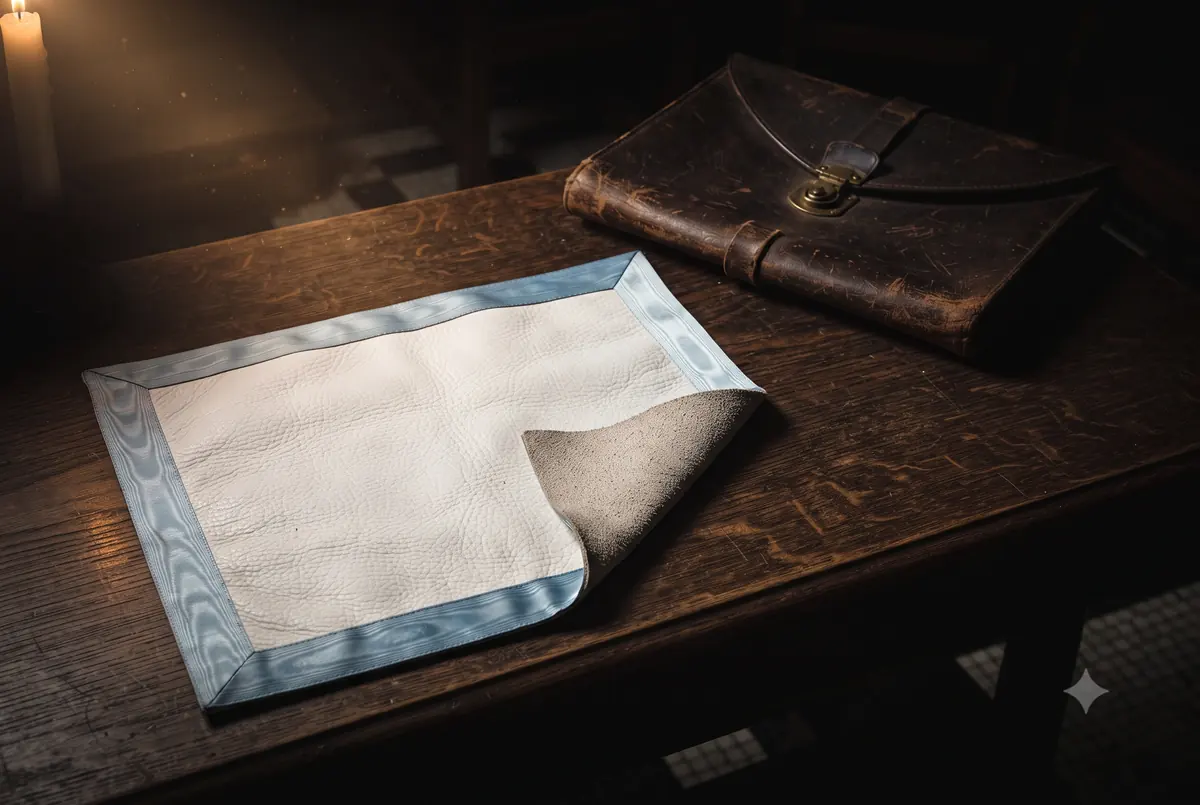
You do not need to buy regalia. The Lodge provides an apron for your degrees, and most Lodges issue a plain white apron to keep. Do not buy a Masonic ring before you are raised. It is the single most common new-candidate mistake, and it reads badly to every Mason who sees it.
What may be worth having early, if the Lodge confirms the custom: a pair of white gloves and a decent notebook for your study material. Do not buy either because a general guide told you to; ask what your Lodge provides and expects.
What it costs, ongoing
Annual dues are typically $50–$200 depending on the Lodge, plus whatever you spend on dinners. Appendant bodies, Scottish Rite, York Rite, Shrine, each carry their own dues if you join them later, and they add up faster than anyone warns you.
The honest caveat
Every paragraph above is the general shape. Every Grand Lodge is sovereign and the specifics, age, fees, proficiency requirements, how many signatures, how long between degrees, are set locally and vary more than outsiders expect.
The Secretary of the Lodge you are petitioning is the authority. Ask him. He would far rather answer the question than fix the misunderstanding later.
Frequently asked questions
How do I contact a Masonic Lodge about joining?
Start with the official Grand Lodge website for your state or country, find a nearby Lodge, and contact its Secretary. Ask about a public dinner, open house, or another chance to meet members before requesting a petition.
Do I need to know a Freemason before I can join?
Not necessarily. Petitions commonly need recommendations from current members, but visiting a Lodge gives you and its members time to get acquainted. The local Lodge can explain its exact process.
How long does it take to become a Master Mason?
It can take a few months or more than a year. Timing depends on the Lodge's schedule and the proficiency requirements set by its Grand Lodge.
How much does it cost to join a Masonic Lodge?
Petition fees and annual dues vary widely by Lodge and jurisdiction. Ask the Lodge Secretary for the initiation fee, what it includes, and the current annual dues before you petition.
Does a criminal record automatically prevent someone from joining?
Not under one universal rule. Lodges consider moral character, and applications may ask about criminal history or require a background check. The relevant Grand Lodge and local Lodge decide eligibility under their own rules.